Our story
Raqchi, the workshop and how a piece is made
Sañu is the Amaru family's workshop in Raqchi, a pottery community in Canchis, Cusco. Here is where it is, who founded it and how each piece is made.
Raqchi
Raqchi is in the district of San Pedro, province of Canchis, on the road between Cusco and Puno. It is known for the Inca Temple of Wiracocha and for its pottery tradition.
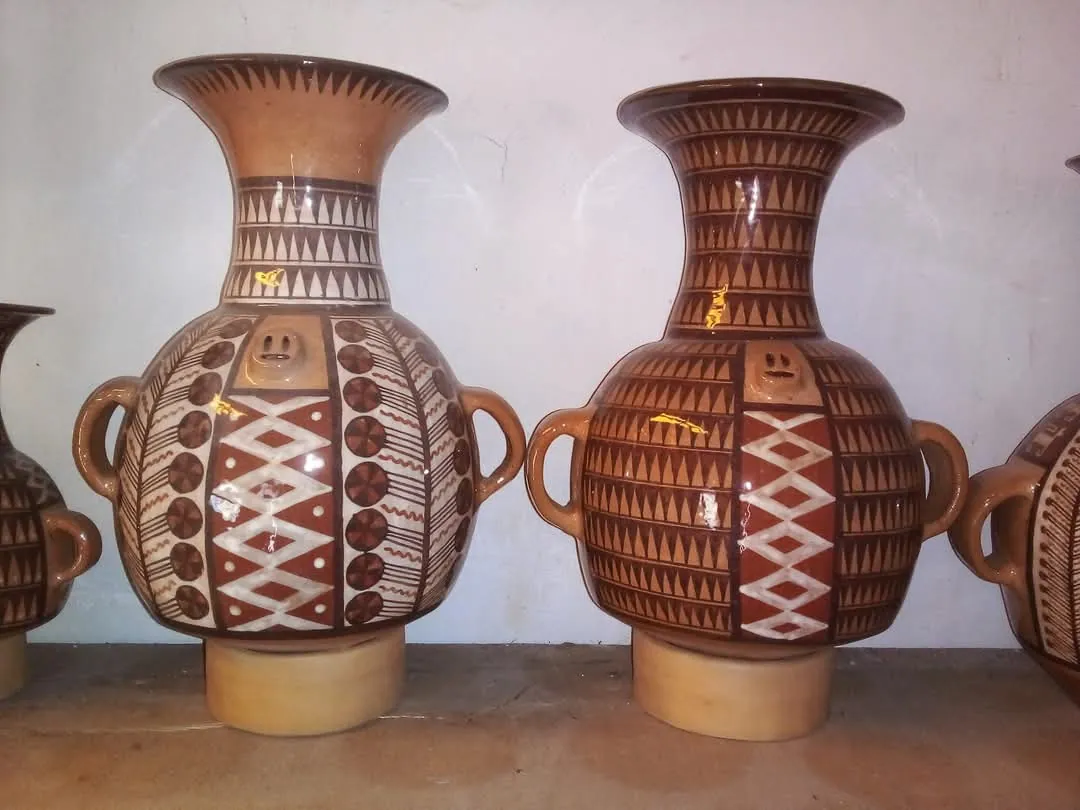
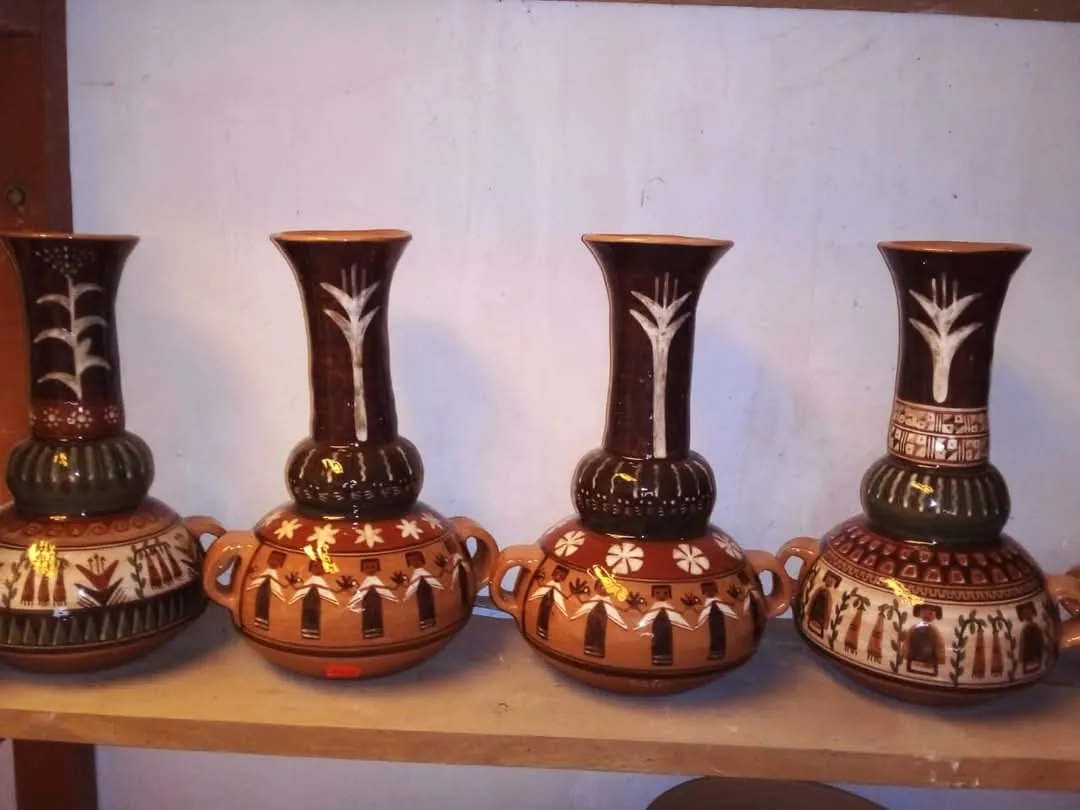
Sañu pieces follow that tradition: aríbalos, keros and tableware with the shapes and designs of Inca pottery, made with Raqchi clay.
The founder
Máximo Amaru
Born in Raqchi, with Quechua as a first language, Máximo Amaru is an economist from the National University of Saint Anthony the Abbot in Cusco and a licensed tour guide. Sañu was founded in that same community: the workshop where the Amaru family makes pottery with the coiling technique.
Amaru means serpent in Quechua. That is why the S in Sañu is a serpent: it carries the founder's surname.
The workshop is open to visitors: anyone who comes to Raqchi can shape a piece with the family.
- Raqchi
- Birthplace and workshop
- Quechua
- First language
- Economist
- National University of Saint Anthony the Abbot in Cusco
- Tour guide
- Licensed guide, trained at ISTTA
Took part in the National Award for Peruvian Craft Design.
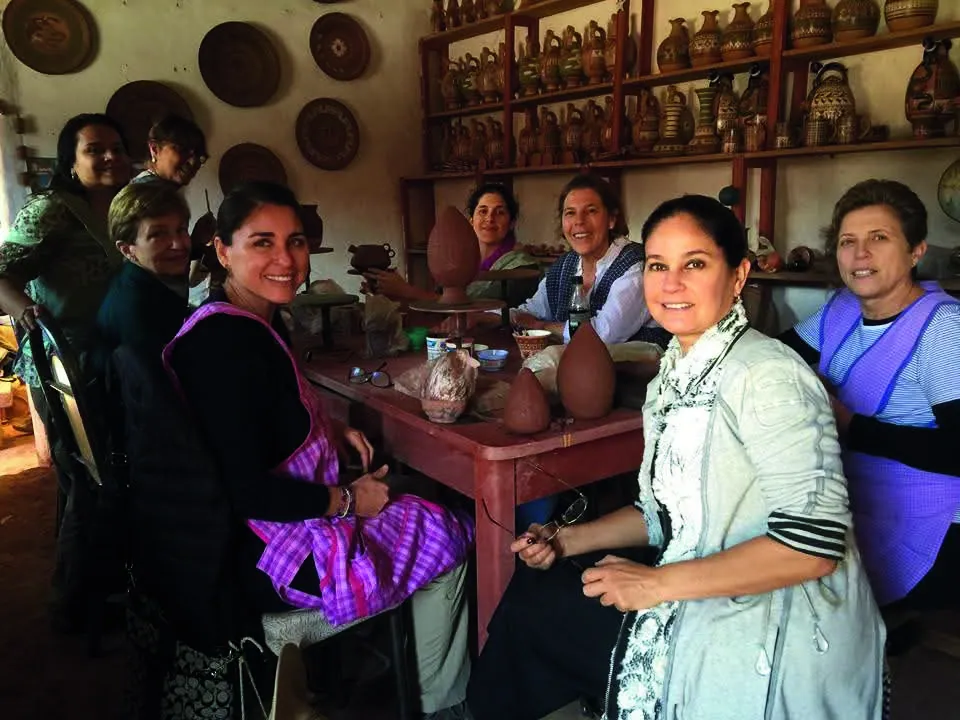
Process
How a piece is made
- 1
Raqchi clay
The pieces are made with local clay.
- 2
Hand coiling
The piece is built by joining coils of clay, ring by ring, and smoothed by hand. It is the technique Inca potters used.
- 3
Natural paint
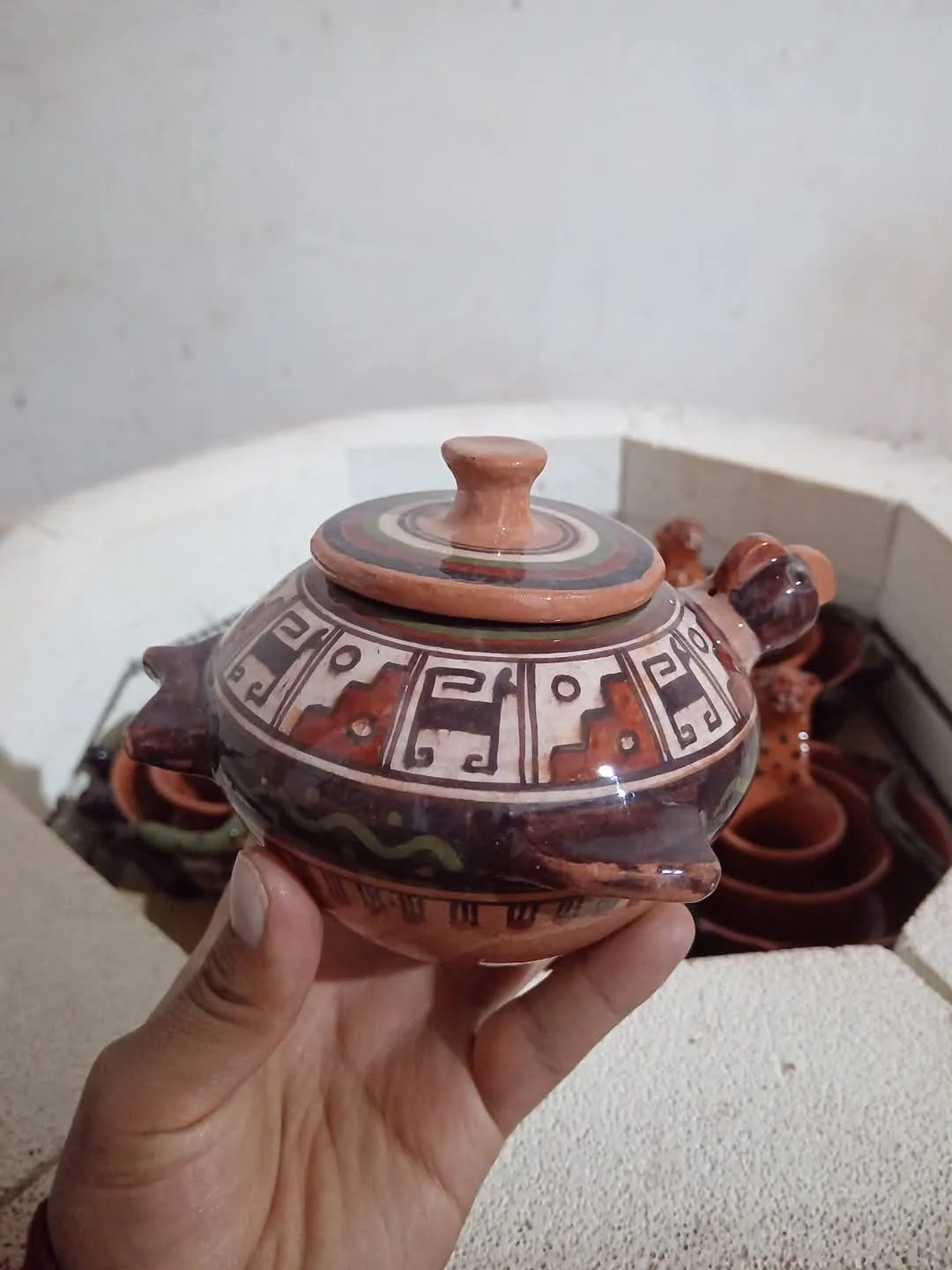
It is decorated with natural paints and Andean geometric designs: steps, diamonds, tocapus.
- 4
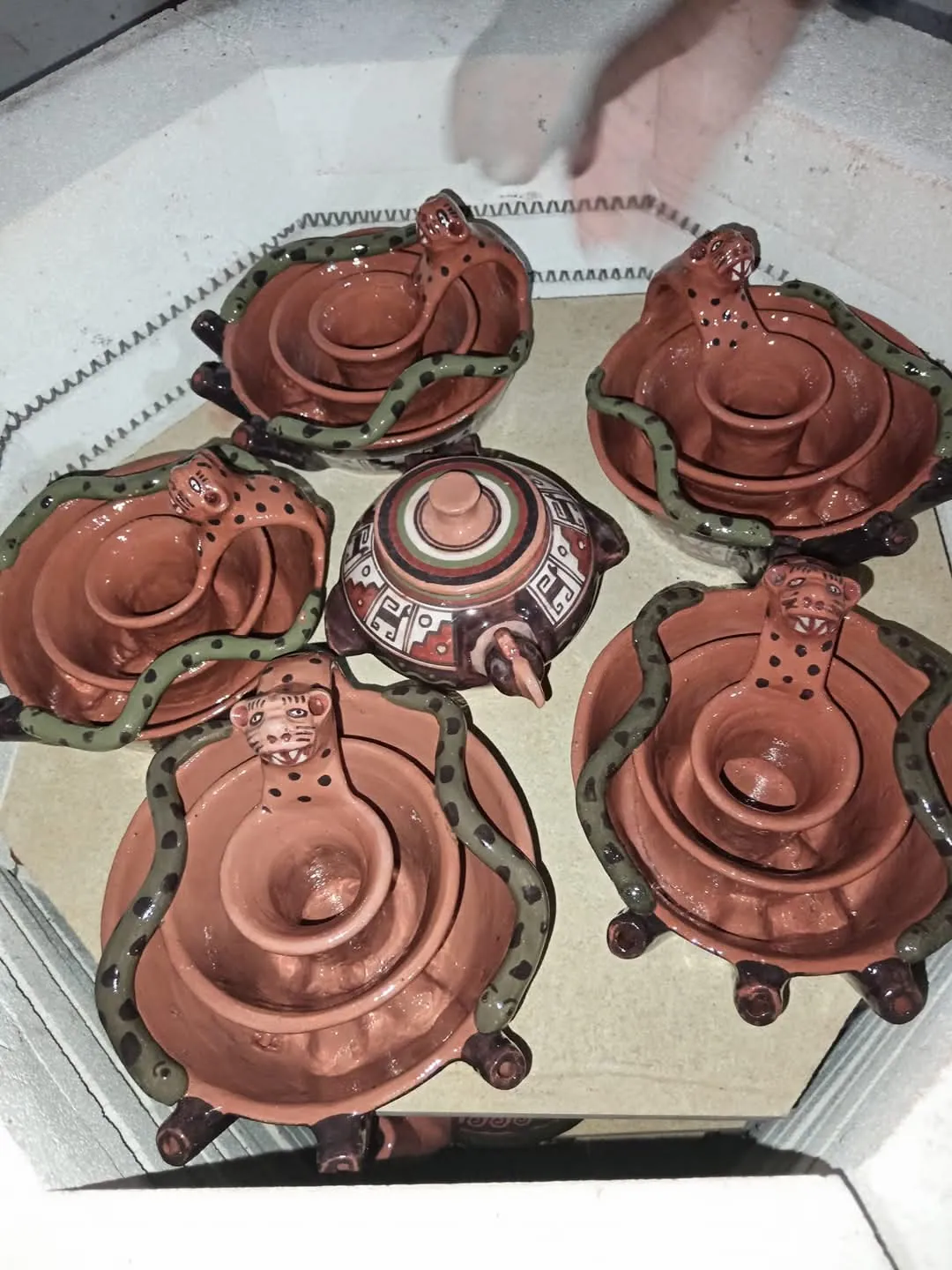
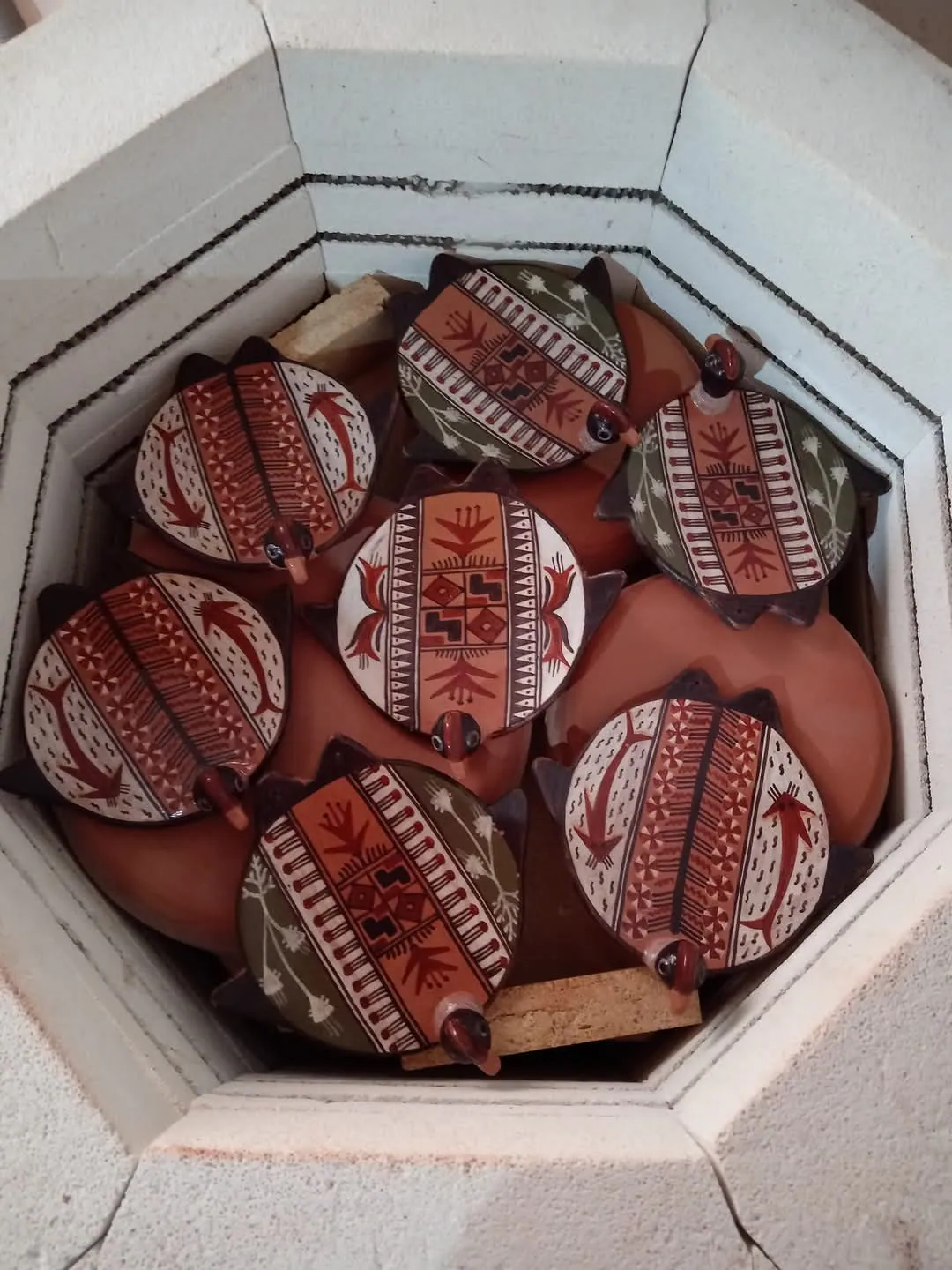
Kiln firing
The pieces are fired in a kiln. Tableware and drinkware are glazed for everyday use.
The workshop today
From the workshop to your home
Every piece comes from the workshop in Raqchi. You can buy it in the shop, shipped from Cusco, or visit the workshop and make your own.